

Selecting diesel vehicles offers significant cost savings and operational efficiency for businesses. High-mileage diesel vans excel in durability and fuel efficiency for extensive travel. European manufacturers like Volkswagen produce reliable engines with excellent power and economy. Matching vehicle selection to operational needs ensures both cost-effectiveness and robust performance.
Key benefits include:
1. Up to 40% better fuel efficiency than gasoline.
2. Longer engine lifespans and reduced downtime.
3. Superior hauling capacity for heavy-duty applications.
4. Environmental benefits through improved emissions standards.
Strategic planning, considering performance, efficiency, and environmental impact, is crucial when transitioning to diesel vehicles. Select models like Volkswagen Phaeton, Audi A8 for luxury sedans and Ford Transit Custom, Mercedes-Benz Sprinter for commercial vans based on specific needs. Embracing future diesel technology promotes sustainable transportation.
The widespread adoption of diesel vehicles has brought about significant advancements in fuel efficiency and emissions reduction. However, the growing concern over air quality and environmental impact necessitates a deeper look into these vehicles’ overall sustainability. This article delves into the challenges posed by traditional diesel technology, focusing specifically on select diesel vehicles’ role in navigating towards greener transportation solutions. We explore cutting-edge alternatives and innovative strategies that promise to replace outdated diesel engines while ensuring performance, efficiency, and environmental compatibility.
- Evaluate Your Needs: Select Diesel Vehicles Wisely
- Understand Diesel Technology: Advantages and Efficiency
- Transition Strategically: Steps to Replace Gas with Diesel Naturally
Evaluate Your Needs: Select Diesel Vehicles Wisely
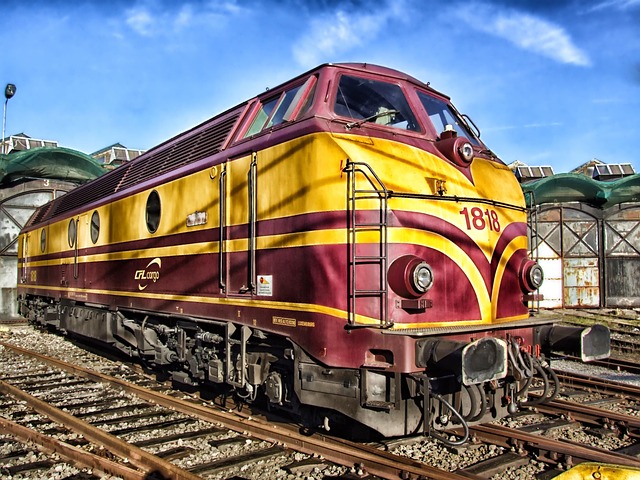
When considering a fleet upgrade or starting your search for a new vehicle, selecting diesel vehicles wisely is a strategic decision that requires careful evaluation of your specific needs. The benefits of diesel power are well-documented, offering superior fuel efficiency and reduced emissions compared to gasoline engines. For businesses operating high-mileage vans or looking to invest in top-rated European diesel automobiles, understanding the nuances of diesel technology becomes paramount.
A practical approach begins with identifying your operational requirements. If your primary concern is cost-effectiveness and long-term savings, high-mileage diesel vans for sale represent a compelling option. These vehicles are engineered for durability and efficiency, making them ideal for fleets managing extensive travel distances. For instance, many modern European manufacturers have excelled in this regard, producing top-10 most reliable diesel engines that consistently rank highly in industry benchmarks. Consider the example of Volkswagen’s TDI engines, renowned for their power and fuel economy while adhering to stringent emission standards.
However, selecting a diesel vehicle is not solely about numbers; it’s also about performance and adaptability. Different engines cater to various applications, from powerful heavy-duty trucks to agile light commercial vehicles. Therefore, assess your fleet’s specific needs—whether you require exceptional towing capabilities or a compact, maneuverable solution for urban deliveries. By matching your requirements with the right diesel engine technology, you ensure not only optimal performance but also long-term reliability, as evidenced by the consistent success of top-rated European brands in various market segments.
Understand Diesel Technology: Advantages and Efficiency
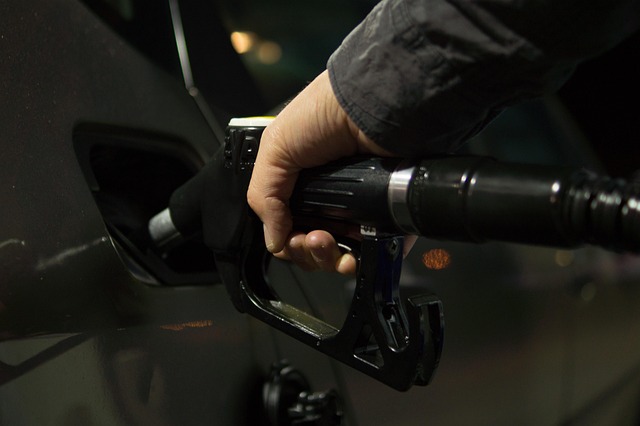
Diesel technology has evolved significantly over the years, offering a range of advantages that make diesel vehicles a compelling choice for many. At its core, diesel technology leverages compression ignition, where air is compressed to high pressure before fuel is injected, resulting in more efficient combustion and higher torque output compared to gasoline engines. This makes diesel vehicles particularly suited for heavy-duty applications, such as trucks and vans, offering superior hauling capacity and better fuel economy.
One of the key benefits of diesel technology is its efficiency. Studies show that modern diesel engines can achieve up to 40% better fuel efficiency than their gasoline counterparts, translating into significant cost savings for fleet operators and individual owners alike. For example, a mid-size diesel sedan can travel approximately 600 miles on a single tank, compared to around 450 miles for an equivalent gasoline model. This enhanced efficiency is further amplified when considering affordable used diesel sedans and best diesel vans for small businesses, which offer a cost-effective balance between performance and fuel economy.
Furthermore, diesel vehicles are known for their durability and reliability. Advanced manufacturing processes and stringent quality control measures have led to longer engine lifespans, even under demanding conditions. This longevity not only reduces ownership costs but also ensures that investors in select diesel vehicles can expect a higher return on their investment over time. For businesses, this translates into more predictable operational expenses and reduced downtime due to maintenance issues. As the adoption of electric vehicles gains momentum, diesel technology remains a vital option, offering both environmental benefits through improved emissions standards and practical advantages for various applications, from everyday commuting to small-scale logistics operations.
Transition Strategically: Steps to Replace Gas with Diesel Naturally

Transitioning to diesel as a more sustainable alternative to gasoline is a strategic move that requires careful planning and consideration. To replace gas with diesel naturally, businesses and individuals must look beyond just the fuel type and focus on adopting diesel vehicles that align with their needs. One key step is to select diesel vehicles that offer optimal performance, efficiency, and environmental benefits. This involves evaluating factors such as engine technology, fuel economy, and emissions standards, keeping in mind the growing popularity of electric vehicles (EVs) and hybrid options.
Looking ahead, future trends in diesel technology hold significant promise. Advances in engine design, like the widespread adoption of turbocharging and direct injection, have led to substantial improvements in both power output and fuel efficiency. This evolution continues with the development of cleaner-burning fuels and more efficient filtration systems, addressing environmental concerns associated with traditional diesel engines. For instance, the latest Euro 6 standards have significantly reduced nitrogen oxide (NOx) emissions, making modern diesel cars much greener alternatives.
When considering best diesel cars for long distance driving, factors like durability, comfort, and advanced safety features become paramount. Luxury sedans like the Volkswagen Phaeton and Audi A8 offer both high-end amenities and powerful yet efficient diesel engines. For commercial applications, light duty diesel vans are an excellent choice for businesses focusing on 1-3 times weekly use. Models such as the Ford Transit Custom and Mercedes-Benz Sprinter provide ample cargo space while delivering superior fuel economy and reduced operating costs. Embracing these trends ensures a smooth transition to diesel, paving the way towards a more sustainable future in transportation.
By carefully evaluating your needs, understanding the advantages of diesel technology, and transitioning strategically, you can seamlessly replace gas with diesel vehicles naturally. Selecting diesel vehicles wisely, based on specific requirements, ensures efficiency and environmental sustainability. Embracing diesel technology offers not just fuel economy but also reduces emissions, making it a responsible choice. Through strategic steps, this shift can be accomplished smoothly, opening doors to a more efficient and eco-friendly future. Selecting diesel vehicles naturally is a practical, informed decision that contributes to both personal transportation needs and global environmental goals.