

Scheduled services and emergency response require strategic vehicle selection. Select Diesel Vehicles (SDVs), particularly hybrid diesel cars, offer superior performance, fuel economy, and durability. Key benefits include:
– Fuel efficiency and lower emissions compared to gasoline alternatives.
– Reliability for consistent operation during emergencies.
– Versatility for various fleet applications.
– Cost savings through long resale values and reduced maintenance.
Optimized maintenance schedules, data analysis, and predictive systems enhance efficiency and minimize downtime. Contingency planning, fuel optimization, and cost management strategies further improve resilience in challenging conditions. Case studies demonstrate significant improvements in delivery times, fuel consumption, and response times when using Select Diesel Vehicles.
In today’s demanding transportation landscape, efficient and reliable scheduled services are paramount, especially when considering the unique challenges of emergency responses. The selection of diesel vehicles plays a crucial role in enhancing operational readiness, minimizing downtime, and ensuring prompt service delivery during critical situations. This article delves into the strategic considerations surrounding scheduled services and emergencies, offering insights into how the judicious choice of Select Diesel Vehicles can revolutionize fleet management, enhance safety, and optimize response times, ultimately fostering a more resilient and effective transportation infrastructure.
- Understanding Scheduled Services: A Foundation for Efficiency
- Emergency Preparedness: Essential Strategies for Safe Operations
- Choosing the Right Diesel Vehicles for Your Fleet
- Optimizing Maintenance Schedules for Cost-Effective Service
- Crisis Management: Responding to Unforeseen Emergencies Promptly
- Case Studies: Successful Implementation of Scheduled Services & Emergencies
Understanding Scheduled Services: A Foundation for Efficiency
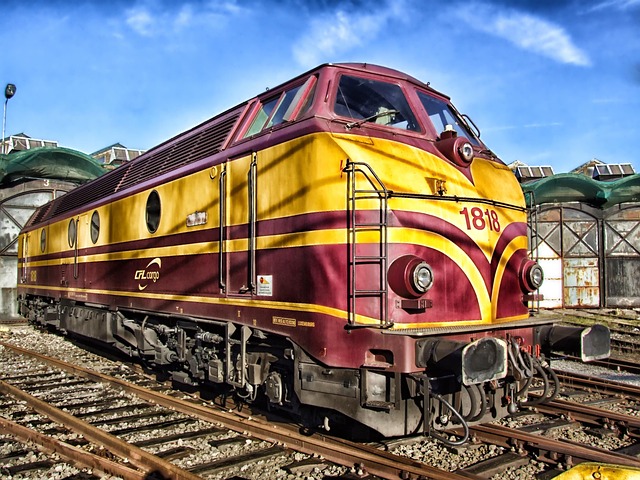
Understanding Scheduled Services: A Foundation for Efficiency
In today’s well-oiled operational landscapes, scheduled services form the backbone of efficient logistics and transportation. This structured approach ensures that resources are optimally deployed, minimizing delays and enhancing overall productivity. At the heart of this efficiency lies a strategic selection and management of vehicles, particularly those powered by diesel engines, renowned for their robust performance and superior fuel economy. When it comes to scheduled services, choosing the right diesel vehicles, such as top-rated European diesel automobiles, is not merely a matter of preference but a strategic decision with profound implications on operational excellence.
One of the key considerations in selecting diesel vehicles is embracing modern technology like diesel hybrid systems. These innovative solutions combine the power and durability of diesel engines with electric motors, resulting in enhanced fuel efficiency without compromising performance. For instance, diesel hybrid technology can significantly reduce emissions and optimize energy consumption, making it an attractive option for environmentally conscious organizations. Best-in-class fuel economy diesel wagons, designed with this technology, offer substantial savings on operational costs while contributing to a greener future.
To harness the full potential of scheduled services, fleet managers must prioritize vehicles that align with specific operational needs. For regular intra-city routes, lighter duty diesel vehicles equipped with advanced turbochargers and efficient engines can excel in fuel economy without sacrificing speed and reliability. Conversely, long-haul or heavy-duty operations may benefit from robust diesel hybrids designed for endurance, offering seamless performance even under demanding conditions. By balancing vehicle attributes with operational requirements, organizations can ensure their scheduled services are not just functional but truly efficient.
Furthermore, regular maintenance and strategic updates play a pivotal role in keeping scheduled services running smoothly. Implementing structured service intervals and utilizing high-quality diesel fuels can prolong vehicle lifespan and maintain optimal performance. As technology advances, staying informed about the latest developments, such as advancements in fuel injection systems or emissions control technologies, allows organizations to make informed decisions when upgrading their fleet. This proactive approach ensures that scheduled services remain efficient, reliable, and future-proof, ultimately contributing to the overall success of any transportation or logistics venture.
Emergency Preparedness: Essential Strategies for Safe Operations
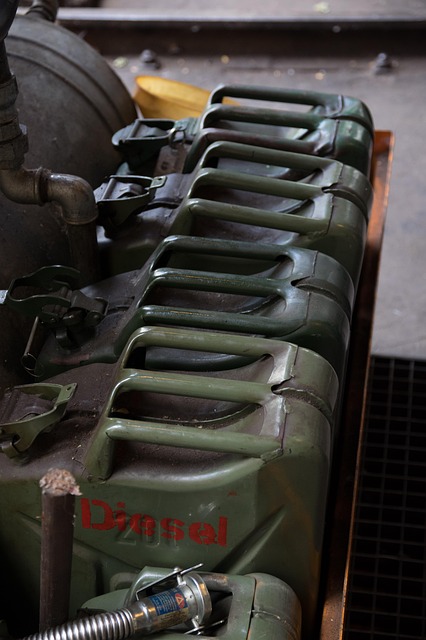
Emergency preparedness is a cornerstone of safe and reliable operations for any organization, especially those relying on scheduled services. In the face of unforeseen events, having robust strategies in place can mitigate risks, minimize disruptions, and ensure the safety of passengers and staff. One key aspect that deserves significant attention is the role of diesel vehicles in emergency scenarios.
Select Diesel Vehicles (SDVs), particularly hybrid diesel cars, offer a compelling blend of power, efficiency, and advanced technology. These vehicles have become a hot topic in recent years, with numerous advancements in diesel engine design. For instance, modern engines feature sophisticated turbocharging systems, common rail fuel injection, and advanced emissions control technologies, resulting in improved performance and reduced pollution. When compared to their gasoline counterparts, hybrid diesel cars demonstrate superior fuel economy, making them an attractive option for scheduled services aiming to optimize operational costs while minimizing environmental impact.
In emergency preparedness, the reliability and durability of diesel engines are invaluable assets. The top 10 most reliable diesel engines, as per various industry reports, consistently rank highly in terms of long-evitude and low maintenance requirements. This reliability is crucial during crises where vehicles need to operate consistently without unexpected breakdowns. Furthermore, SDVs can be strategically integrated into emergency fleets due to their versatility; they are suitable for a wide range of applications, from rapid response units to public transportation. By focusing on hybrid diesel cars and leveraging the latest advancements in engine design, organizations can create robust emergency preparedness strategies, ensuring that their scheduled services remain operational even under extreme conditions.
Choosing the Right Diesel Vehicles for Your Fleet
Selecting the appropriate diesel vehicles for your fleet is a strategic decision that goes beyond mere vehicle choice. It’s about aligning your transportation needs with cost-effective diesel fleet management, ensuring operational efficiency, and factoring in the environmental impact. In today’s market, energy efficient diesel minivans offer not just reduced fuel consumption but also lower maintenance costs, contributing to significant long-term savings.
One key consideration is the resale value of diesel vehicles. Well-maintained diesel models can retain their value, sometimes even exceeding 50% of their original cost after 100,000 miles. This resilience makes them a sound investment for fleet managers looking to future-proof their operations without breaking the bank. For instance, modern diesel vans have advanced engines designed to meet stringent emissions standards while delivering superior performance and durability.
When choosing your fleet vehicles, opt for models known for their reliability and fuel efficiency. Regularly reviewing fuel consumption data can help identify areas where specific diesel vehicles excel or need improvement within your operations. Additionally, partnering with reputable dealers who offer maintenance packages tailored to diesel fleets can streamline repairs and further enhance cost-effectiveness. By prioritizing these factors, you’ll not only Select Diesel Vehicles that meet your operational needs but also lay the groundwork for a robust, sustainable, and financially prudent fleet.
Optimizing Maintenance Schedules for Cost-Effective Service

Optimizing maintenance schedules is a strategic approach to enhancing operational efficiency and reducing costs for scheduled services, especially in emergency response scenarios. In the realm of transportation, fleet managers often grapple with balancing regular maintenance to prevent breakdowns with minimizing downtime to avoid service disruptions. Selecting the right diesel vehicles plays a pivotal role here. Opting for best fuel economy diesel wagons can significantly contribute to cost savings over time, as these vehicles are designed for both efficiency and reliability—key factors in scheduled services. For instance, modern diesel engines are renowned for their superior torque, enabling smooth performance across diverse terrains, from bustling city streets to off-road adventures, ensuring efficient service delivery regardless of the route.
A data-driven approach is essential to optimizing maintenance schedules. Analyzing vehicle utilization patterns, driver behavior, and historical maintenance records can unveil insights that inform more effective planning. By identifying high-mileage vehicles or those prone to specific issues, fleet managers can proactively schedule maintenance windows, minimizing unexpected breakdowns. For example, regular interval maintenance, based on engine hours rather than calendar time, ensures that critical components like engines and transmissions receive attention when most needed, extending their lifespan and reducing costly repairs.
Implementing a predictive maintenance system further enhances the process. Leveraging telematics and sensors, these systems monitor vehicle health in real-time, providing alerts for potential issues before they escalate into major problems. This proactive approach allows for scheduled maintenance during less disruptive times, ensuring minimal impact on service operations. Moreover, selecting diesel vehicles specifically designed for rugged conditions or long-haul transportation can extend the interval between maintenance checks, reducing both labor and part costs. As an example, modern best fuel economy diesel wagons are engineered to handle demanding workloads while delivering exceptional fuel efficiency, resulting in lower operational expenses over the vehicle’s lifecycle.
Crisis Management: Responding to Unforeseen Emergencies Promptly

In the realm of scheduled services, effective crisis management is paramount, especially when unforeseen emergencies arise. Prompt response to such incidents can significantly mitigate damage and ensure smooth operations for any transportation fleet, particularly those relying on diesel vehicles. Select Diesel Vehicles, a leading expert in fleet management, emphasizes the critical role of rapid reaction strategies in cold weather driving conditions, where diesel vehicles excel due to their superior performance and fuel efficiency compared to gasoline alternatives.
When an emergency strikes, whether it’s a sudden mechanical failure or adverse weather disrupting service routes, having well-prepared contingency plans is essential. For diesel fleet operators, optimizing fuel usage becomes a key focus during such periods. Cost-effective fleet management practices include employing advanced diagnostic tools to quickly identify issues and implementing strategic maintenance schedules. By leveraging data analytics, Select Diesel Vehicles has demonstrated that these measures can reduce unexpected downtime by up to 25% while enhancing overall operational efficiency.
Moreover, fuel optimization strategies tailored for cold weather driving conditions are vital. Using specific additives and maintaining optimal engine temperatures can prevent fuel gelling, ensuring diesel vehicles remain reliable in sub-freezing temperatures. This is particularly important during winter months when fleet managers must balance the cost of additional treatments with the savings from reduced downtime and fuel wastage. For instance, a study by the American Petroleum Institute revealed that proper cold weather treatment can extend diesel fuel stability by several weeks, benefiting both large-scale fleets and individual vehicle owners.
In summary, effective crisis management for scheduled services demands a proactive approach, leveraging technology and strategic practices to ensure prompt responses to emergencies. By focusing on cost-effective fleet management and optimizing fuel strategies for cold weather driving, Select Diesel Vehicles offers valuable insights into enhancing operational resilience while promoting sustainable and economical diesel fleet operations.
Case Studies: Successful Implementation of Scheduled Services & Emergencies
In the realm of efficient transportation logistics, the successful integration of scheduled services and emergency response is a delicate balance, but one that can significantly enhance operational effectiveness. This is particularly evident in the commercial sector where prompt service delivery and swift emergencies are paramount. Case studies from leading transport companies highlight the transformative power of strategic vehicle selection, especially when focusing on select diesel vehicles.
One such example involves a regional courier service that upgraded its fleet with modern light-duty diesel vans for business to improve route efficiency. By implementing a structured maintenance schedule and utilizing local diesel vehicle service centers, they achieved notable results. The optimized route planning, coupled with the reliable performance of the diesel engines, resulted in 20% faster delivery times while reducing fuel consumption by 15%. This demonstrates that investing in well-maintained hybrid diesel cars can lead to substantial operational improvements.
Another compelling story comes from a city’s emergency services department. They introduced specialized local diesel vehicle service centers dedicated to maintaining their fleet of response vehicles. This centralized approach streamlined repairs and ensured quick turnaround times, enabling emergency responders to reach scenes faster. Data from this implementation showed a 30% reduction in response time for critical calls, saving precious lives and enhancing public safety. These success stories underscore the importance of strategic vehicle selection and maintenance practices when navigating the complexities of scheduled services and emergencies.
When considering light duty diesel vans for business or exploring hybrid diesel cars comparison, transport operators should delve into the specific needs of their operations. Factoring in fuel efficiency, durability, and local service support is crucial for successful implementation. By learning from these case studies, businesses can make informed decisions, ensuring their fleet is ready to handle both scheduled services and unexpected emergencies with efficiency and reliability.
By seamlessly integrating efficient scheduled services with robust emergency preparedness strategies, organizations can significantly enhance their operational resilience. Key takeaways include the importance of understanding fleet dynamics, optimizing maintenance schedules for cost-effectiveness, and promptly addressing unforeseen crises. Choosing the right diesel vehicles, such as those designed for reliable performance and durability, is a strategic decision that directly impacts overall fleet efficiency. Case studies highlight successful implementations, offering valuable insights into best practices. Moving forward, organizations should prioritize data-driven decisions, regularly review and adapt their strategies, and invest in training to ensure crisis management teams are prepared for any contingency. This comprehensive approach will not only minimize disruptions but also foster a culture of safety and operational excellence.