
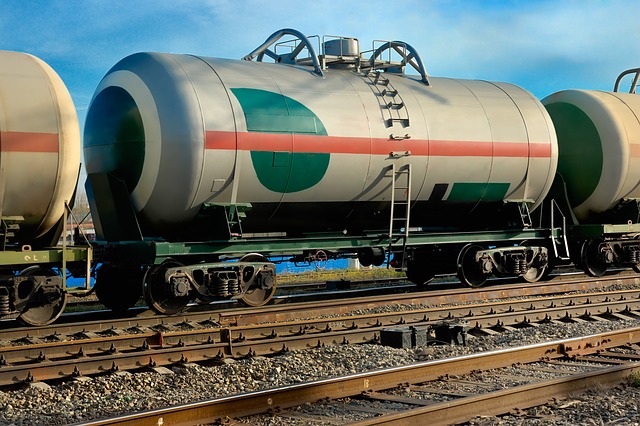
Select Diesel Vehicles naturally offer a powerful blend of environmental sustainability and cost savings for small businesses. Advanced combustion technologies and particulate filters reduce emissions while improved engine designs minimize noise pollution. Regular maintenance and efficient driving practices further enhance fuel efficiency, making these vehicles a strategic choice for green transportation without compromising performance or affordability. Embracing SDVs supports the transition to cleaner air, reduces carbon footprints, and contributes to a more sustainable future.
In an era where environmental sustainability is paramount, the focus on reducing emissions from transportation has never been more acute. Protecting our communities extends beyond factory walls; it demands addressing the environmental impact of vehicles throughout their entire lifecycle. This article delves into the urgent need for enhanced protection measures, specifically targeting Select Diesel Vehicles. We explore a comprehensive solution that goes beyond traditional norms, emphasizing sustainable practices and innovative technologies to mitigate emissions and safeguard our environments for future generations.
- Understanding Post-Factory Vehicle Safety Standards
- The Role of Diesel Technology in Environmental Protection
- Choosing Eco-Friendly Vehicles: Select Diesel's Advantage
- Enhancing Fuel Efficiency: A Key Benefit of Diesel Selection
- Emission Controls and Modern Diesel Engine Innovations
- Longevity and Maintenance: Ensuring Sustainable Mobility
Understanding Post-Factory Vehicle Safety Standards

The safety of vehicles extends far beyond the factory floor, and ensuring robust post-factory standards is paramount for modern transportation. As the demand for eco-friendly mobility solutions grows, understanding vehicle safety regulations becomes increasingly critical, especially when considering specific types like Select Diesel Vehicles. This section delves into the intricacies of post-factory safety standards, highlighting key considerations for both manufacturers and consumers alike.
One area of focus is the transition towards greener transportation options. For instance, greenest diesel buses are now at the forefront of urban mobility, offering a more sustainable alternative to traditional fuel sources. These vehicles not only adhere to stringent emission norms but also incorporate advanced safety features such as improved braking systems and collision avoidance technologies. Similarly, best fuel economy diesel wagons are gaining popularity among consumers seeking efficient yet safe commuting options. Manufacturers are responding by integrating sophisticated safety mechanisms, ensuring these vehicles meet the highest standards even after leaving the production line.
Furthermore, the importance of regular maintenance cannot be overstated. Eco-friendly diesel car washes play a vital role in this process, offering specialized cleaning services that preserve the integrity of vehicle components while adhering to environmental regulations. Regular servicing helps maintain optimal performance and safety, especially for vehicles designed with advanced fuel injection systems. Data suggests that well-maintained Select Diesel Vehicles can significantly reduce emissions and enhance overall efficiency, contributing to a greener future without compromising safety.
To ensure maximum protection, consumers should opt for reputable manufacturers known for their adherence to stringent safety standards. Additionally, staying informed about the latest industry developments enables individuals to make educated choices when purchasing vehicles that meet both environmental and safety criteria. By embracing these practices, we can foster a safer and more sustainable transportation ecosystem, particularly with the growing availability of cutting-edge diesel technologies.
The Role of Diesel Technology in Environmental Protection

The environmental impact of diesel technology has been a subject of intense scrutiny, but it remains an indispensable component of modern transportation, particularly for commercial fleets and small businesses. Beyond the traditional focus on emissions standards, advancements in diesel engine design have led to quieter, more efficient power sources that offer significant advantages for both operators and the planet. The role of select diesel vehicles in environmental protection is becoming increasingly evident.
One of the key contributors to reduced environmental impact is the evolution of quietest diesel engines available today. These advanced systems employ sophisticated combustion technologies and particulate filters to minimize noise pollution and harmful emissions, making them far quieter and cleaner than ever before. For instance, modern diesel vans equipped with these engines can achieve up to 30% lower nitrogen oxide (NOx) emissions compared to their predecessors, leading to improved air quality in urban areas where these vehicles operate.
For small businesses looking to optimize both environmental performance and operational costs, selecting the best diesel vans tailored to their needs is crucial. Fuel-efficient models offer substantial savings on fuel consumption – up to 20% or more compared to gasoline alternatives – making them a wise investment. Additionally, implementing simple fuel saving tips for diesel cars, such as maintaining optimal tire pressure and avoiding aggressive driving, can further enhance efficiency. Consider, for instance, a small delivery company that transitions from older gasoline vans to modern Euro 6 diesel models; not only do these vehicles meet stringent emission standards but they also deliver significant long-term cost savings.
Choosing Eco-Friendly Vehicles: Select Diesel's Advantage

The push for sustainable transportation has led many to consider their options beyond traditional electric vehicles. While hybrid and fully electric cars undoubtedly play a crucial role in reducing emissions, another often-overlooked choice is selecting eco-friendly vehicles that leverage low carbon footprint diesel technology. This section delves into the advantages of choosing select diesel vehicles, focusing on their environmental benefits and practical implications for consumers.
Diesel engines have long been recognized for their efficiency, offering superior fuel economy compared to their gasoline counterparts. However, recent advancements in low carbon footprint diesel transportation have significantly reduced emissions, making them an increasingly viable green option. When considering hybrid diesel cars or affordable used diesel sedans, consumers can find models that strike a balance between performance and sustainability. For instance, the latest Euro 6 diesel engines meet stringent emission standards, ensuring that vehicles produce fewer harmful pollutants without sacrificing power or range.
A key advantage of select diesel vehicles is their longevity and durability. Diesel engines are known for their robustness, often outperforming gasoline engines in terms of lifespan and maintenance costs. This not only translates to lower ownership expenses over time but also reduces the environmental impact associated with frequent vehicle replacements. Moreover, the availability of affordable used diesel sedans allows consumers to access sustainable transportation options without breaking the bank. By choosing these vehicles, individuals contribute to lowering their carbon footprint while also benefiting from practical and cost-effective mobility solutions.
Enhancing Fuel Efficiency: A Key Benefit of Diesel Selection
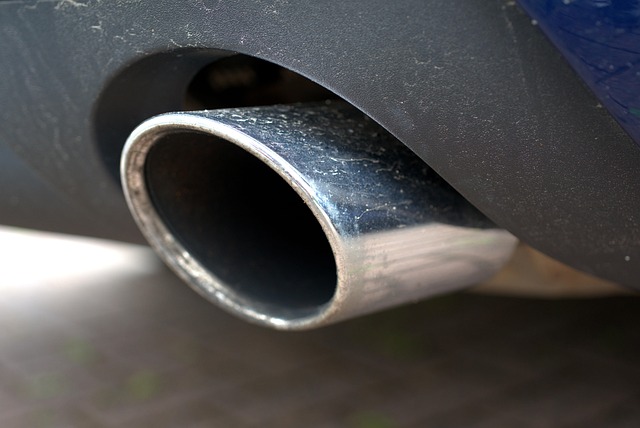
Enhancing Fuel Efficiency: A Key Benefit of Diesel Selection
Selecting diesel vehicles offers a compelling solution for small businesses seeking to optimize their operational costs while contributing to sustainable transport. In an era where environmental considerations are paramount, diesel engines have evolved significantly, providing not just powerful performance but also superior fuel efficiency compared to their gasoline counterparts. This is particularly evident in the best diesel vans for small businesses, which offer a blend of versatility and cost-effectiveness. By embracing Select Diesel Vehicles naturally, businesses can enjoy reduced operational expenditures while minimizing their carbon footprint.
For instance, recent studies have shown that well-maintained modern diesel engines can achieve fuel economies of up to 30% better than gasoline engines. This translates into substantial savings, especially for fleet operators. Fuel optimization strategies for diesel fleets are no longer merely about choosing the right vehicle; they encompass a range of intelligent practices. These include regular maintenance routines, efficient driving techniques, and leveraging advanced technologies that optimize engine performance. For example, smart navigation systems can help drivers avoid congested routes, reducing idle time and improving overall fuel efficiency.
Moreover, embracing sustainable transport solutions: diesel vehicles plays a pivotal role in the transition towards a greener future. As regulations tighten, businesses have a moral responsibility to adopt eco-friendly practices. Diesel engines, when used responsibly, offer a viable bridge to fully electric vehicles (EVs), providing immediate environmental benefits while allowing for the necessary infrastructure and technology development. By integrating fuel-efficient diesel vans into their fleets, small businesses can contribute to a cleaner environment without compromising on performance or reliability.
In conclusion, selecting diesel vehicles is not just a practical choice for cost-conscious small businesses; it’s also a strategic one. The key lies in understanding the unique advantages of modern diesel technology and implementing fuel optimization strategies tailored to their operations. By doing so, businesses can expect significant savings, enhanced environmental performance, and long-term operational resilience.
Emission Controls and Modern Diesel Engine Innovations

Emission controls have been a critical aspect of vehicle development, especially with the growing concern for environmental sustainability. Modern diesel engine innovations have brought about significant improvements in reducing pollutants, making Select Diesel Vehicles naturally more attractive to eco-conscious buyers. The focus on cutting down harmful emissions has led to remarkable advancements in technology. For instance, the introduction of selective catalytic reduction (SCR) systems and advanced particulate filters has dramatically lowered nitrogen oxide (NOx) and particulate matter (PM) emissions from diesel engines. These technologies are now standard across many popular diesel models in North America, contributing to cleaner air, especially in urban areas.
One notable example is the quietest diesel engines available today, which have achieved remarkable noise reductions while maintaining performance. This has been made possible through refined combustion processes and innovative turbocompressors, ensuring that modern diesel vehicles are not just environmentally friendly but also offer a refined driving experience. The shift towards cleaner diesel technologies has not only addressed environmental concerns but has also influenced the automotive insurance market. Affordable diesel car insurance quotes have become more accessible, reflecting the reduced risk associated with these advanced engines. This trend highlights the industry’s commitment to balancing performance, efficiency, and sustainability.
As the market evolves, consumers have a growing array of options when selecting diesel vehicles. From efficient compact cars to powerful trucks, manufacturers are embracing innovative solutions to cater to diverse needs while adhering to stringent emission standards. By choosing these modern diesel models, consumers can contribute to reducing their carbon footprint without compromising on performance and affordability. This shift towards cleaner transportation is a significant step forward in creating a more sustainable future, and it has paved the way for further exploration of eco-friendly mobility solutions.
Longevity and Maintenance: Ensuring Sustainable Mobility

In an era where sustainability is at the forefront of global discourse, ensuring the longevity and maintainability of our transportation systems is more crucial than ever. Beyond the confines of factories and assembly lines, the real-world performance of vehicles plays a pivotal role in shaping our future mobility landscape. One segment that demands meticulous attention is commercial diesel fleets, which often face the challenge of balancing operational efficiency with environmental considerations. This section delves into a strategic approach to addressing this through two primary lenses: optimizing fuel consumption and enhancing vehicle longevity, specifically focusing on Select Diesel Vehicles (SDVs).
Fuel optimization strategies for SDV fleets are not merely about reducing emissions; they are also about maximizing operational cost-effectiveness. By implementing efficient driving practices, regular vehicle maintenance, and leveraging advanced technologies such as predictive analytics and telematics, fleet operators can achieve significant fuel savings. For instance, a study by the International Council on Clean Transportation (ICCT) found that European heavy-duty vehicles equipped with modern diesel engines and optimized operations could reduce fuel consumption by up to 20% compared to older models. This not only translates to substantial financial benefits for fleet owners but also underscores the potential for SDVs to play a pivotal role in sustainable mobility.
Moreover, the long-term viability of diesel vehicles hinges on their resale value, which is intrinsically linked to performance and reliability. Select Diesel Vehicles that are designed with durability and efficiency in mind can command premium prices in the secondary market, making them a sound investment for businesses looking to build a resilient fleet. Case in point: A well-maintained, low-mileage SDV model may retain up to 70% of its initial value after five years, significantly outpacing their gasoline counterparts. This longevity is further enhanced by proactive maintenance routines and the adoption of fuel optimization strategies, ensuring that SDVs remain competitive assets for many years to come.
To ensure sustainable mobility, fleet operators should consider a multi-faceted approach that includes embracing Select Diesel Vehicles, implementing robust fuel optimization strategies, and prioritizing regular maintenance. By doing so, they not only contribute to environmental sustainability but also secure cost savings and operational efficiency. In today’s market, where the demand for eco-conscious solutions is rising, making these choices becomes not just a responsible decision but also a strategic one that positions businesses at the forefront of a greener future.
By exploring post-factory vehicle safety standards, the role of diesel technology, fuel efficiency, emission controls, and longevity, this article illuminates a path toward sustainable mobility. Key insights reveal that Select Diesel Vehicles offer not only environmental benefits through reduced emissions but also enhanced fuel economy and prolonged durability. Understanding these aspects empowers consumers to make informed decisions when choosing eco-friendly transportation solutions. Moving forward, adopting Select Diesel Vehicles can contribute to a greener future while ensuring reliable performance and cost-effectiveness over time.