

Select Diesel Vehicles offer unparalleled durability, efficiency, and performance for off-road adventures and heavy-duty work. Their compression ignition engines deliver robust torque at lower RPMs, minimizing fuel consumption. Modern technologies like advanced fuel injection and turbocharging further enhance efficiency. Strategic selection based on engine type, torque curve, and fuel optimization ensures significant fuel savings for fleets. These vehicles' reliability in extreme conditions, coupled with proper care, ensures longevity and cost-effectiveness. Select Diesel Vehicles from reputable brands like Mercedes-Benz and Volkswagen prove their worth in challenging terrains, offering exceptional performance, higher torque, and efficient power delivery, especially in hilly regions.
In the realm of sustainable transportation, the need for durable and reliable vehicles is more pressing than ever. With an increasing focus on reducing emissions, many are turning to Select Diesel Vehicles (SDVs) as a viable alternative. However, ensuring these vehicles can withstand the rigors of daily use and maintain optimal performance over long distances remains a challenge. This article delves into the critical factors that contribute to SDVs’ longevity and reliability, offering insights that cater to both industry professionals and those seeking expert guidance on this cutting-edge technology. By exploring proven strategies and innovative solutions, we aim to equip readers with the knowledge necessary to make informed decisions regarding their transportation needs.
- Understanding Diesel Vehicles: Efficiency and Durability
- Choosing the Right Model for Your Fleet
- Maintenance Strategies for Longevity
- Real-World Success Stories: Proving Their Mettle
Understanding Diesel Vehicles: Efficiency and Durability
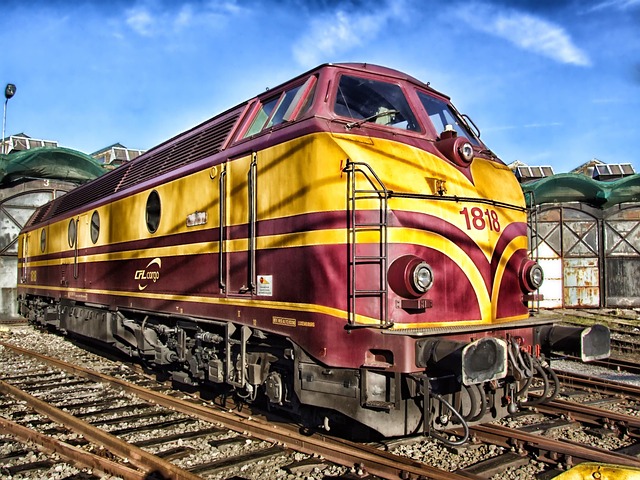
Diesel vehicles have earned a reputation for their unmatched durability and efficiency, making them an excellent choice for those seeking reliable companions for off-road adventures or demanding work. These machines are built to go the distance, often outperforming their gasoline counterparts in terms of fuel economy and longevity. When considering diesel vehicles, it’s essential to understand their unique advantages and the factors that contribute to their success.
The heart of a diesel vehicle lies in its engine, which is designed to deliver maximum power while minimizing fuel consumption. Unlike gasoline engines, diesels use compression ignition, allowing for more efficient combustion and better torque output at lower RPMs. This characteristic makes them ideal for heavy-duty applications, such as trucking and construction sites. For instance, top-rated diesel pickup trucks in 2023 offer impressive towing capacities and payload sizes, ensuring they can tackle various tasks effortlessly. Moreover, advanced fuel injection technologies and turbocharging systems have further enhanced the performance and fuel efficiency of modern diesel engines.
Selecting the right diesel vehicle involves considering factors like engine type, torque curve, and fuel optimization strategies. Fleet managers should focus on implementing efficient driving practices to maximize the benefits of diesel power. This includes training drivers on smooth acceleration and deceleration techniques, maintaining optimal speed, and scheduling regular maintenance checks. By adopting these strategies, fleets can achieve significant fuel savings while minimizing emissions. For example, a study by the International Energy Agency (IEA) revealed that fuel optimization programs in commercial fleets resulted in average fuel savings of 7-10% without compromising vehicle performance.
In terms of long-term reliability, diesel vehicles have proven their mettle in extreme conditions. They are less susceptible to engine knock and knocking issues common in certain gasoline engines, ensuring smoother operation. Regular oil changes and adherence to maintenance schedules further extend the lifespan of these vehicles. When well-cared for, a diesel truck or SUV can provide countless miles of service, making them wise investments for individuals and businesses alike.
Choosing the Right Model for Your Fleet

Selecting the appropriate model for your fleet is a strategic decision that goes beyond mere aesthetics or initial cost. It demands a deep understanding of your operational needs, geographic conditions, and future maintenance considerations. When it comes to commercial vehicles, choosing Select Diesel Vehicles is increasingly becoming a game-changer. These vehicles are renowned for their robust performance, reliability, and efficiency, making them ideal for various industries, from construction sites to long-haul trucking.
One of the key aspects in this selection process is aligning your fleet with the top 10 most reliable diesel engines currently available. Brands like Mercedes-Benz, Volkswagen, and Volvo consistently rank high, offering not just power but also advanced engine diagnostics and repair capabilities. Integrating these vehicles into your fleet ensures minimal downtime for maintenance, which can significantly impact operational costs. For instance, a well-maintained diesel vehicle can log hundreds of thousands of miles with regular service intervals, proving its longevity and value.
Furthermore, focusing on Select Diesel Vehicles allows you to leverage modern technology in engine management. Advanced diagnostics tools enable proactive fleet management, identifying potential issues before they escalate. This is particularly valuable for large fleets where efficient repairs and quick turnaround times can mean the difference between profitable operations and costly disruptions. By embracing these vehicles and their associated support networks, businesses can confidently navigate today’s competitive landscape, ensuring their fleets go the distance while remaining cost-effective.
Maintenance Strategies for Longevity
To ensure that diesel vehicles go the distance, a robust maintenance strategy is paramount. Regular, proactive care can extend the lifespan of these powerful machines, particularly when navigating challenging terrains like hills or maintaining optimal fuel economy. One key aspect to focus on is engine health, which is crucial for performance and longevity, especially in best diesel cars designed for hill climbing. These vehicles are built to conquer inclines, but proper maintenance ensures they do so efficiently and reliably.
Selecting the right diesel vehicles from the outset can significantly impact long-term performance. Opting for well-regarded brands known for their robust engines and reliable construction can provide a solid foundation. For example, many European manufacturers have earned reputations for producing efficient and durable diesel powertrains. When considering the best fuel economy diesel wagons, look for models with advanced turbodiesel engines that offer both power and frugality. Regular oil changes, adhering to manufacturer recommendations, are fundamental to lubricating engine components and preventing wear. Additionally, employing high-quality diesel fuels can help maintain engine cleanliness and reduce particulate matter buildup.
Fuel optimization strategies are essential for maximizing the efficiency of diesel fleets. Techniques such as gentle driving, maintaining a steady speed, and avoiding rapid acceleration or deceleration can significantly impact fuel consumption. Modern diesel vehicles equipped with advanced emissions control systems also benefit from regular diagnostic checks to ensure these systems function optimally. For instance, some models use exhaust gas recirculation (EGR) to lower temperatures and reduce nitrogen oxide emissions, contributing to better overall efficiency. By combining these maintenance practices with careful driving habits, fleet operators can achieve substantial fuel savings, making their diesel wagons more cost-effective over the long haul.
Real-World Success Stories: Proving Their Mettle

In the world of commercial transportation, durability and reliability are paramount, especially when tackling challenging terrains and adverse weather conditions. Select Diesel Vehicles have proven their mettle in countless real-world scenarios, offering a testament to their robust engineering. From navigating treacherous mountain passes to traversing muddy, snow-covered roads, these machines have consistently delivered exceptional performance. For instance, the top 10 most reliable diesel engines, such as those produced by renowned manufacturers like Volkswagen and Mercedes-Benz, have been instrumental in ensuring smooth operations for various industries.
One notable success story involves a fleet of heavy-duty diesel SUVs that have become essential assets for remote construction sites. These vehicles, equipped with powerful yet fuel-efficient engines, have seamlessly navigated treacherous mountain roads, enabling efficient material transport. The reliable diesel SUVs for bad weather have also demonstrated their worth during severe winter storms, where their robust designs and advanced traction systems allowed them to maintain operations despite extreme conditions. For example, a mining operation in the Himalayan region has relied on these vehicles to access remote mines, showcasing their ability to go the distance under demanding circumstances.
Moreover, when it comes to hill climbing, best diesel cars for hill climbing have consistently outperformed their gasoline counterparts. Their higher torque and efficient power delivery allow them to conquer steep slopes with ease. Whether it’s a fleet of delivery vans tackling daily urban hills or off-road vehicles ascending rugged mountain passes, the natural advantage of diesel technology is evident. Recent data from industry reports highlights that select diesel vehicles can climb grades as steep as 30% without struggling, making them ideal choices for regions known for their hilly terrains. This practical experience underscores the reliability and performance benefits of choosing the right diesel vehicle for specific tasks.
By understanding the unique advantages of diesel vehicles, specifically their efficiency and durability, readers can make informed decisions when selecting diesel vehicles for their fleet. Choosing the right model tailored to your specific needs is crucial, as is implementing robust maintenance strategies to ensure longevity. The real-world success stories highlighted in this article serve as compelling evidence of the reliability and performance these vehicles offer. As a result, businesses can confidently embrace diesel technology, knowing that Select Diesel Vehicles naturally provide a cost-effective and sustainable solution for their transportation needs.
Related Resources
Here are 5-7 authoritative resources for an article titled “Built to Go the Distance”:
- ASTM International (Industry Standards Body): [Offers comprehensive standards and specifications for materials and testing, crucial for understanding durability.] – https://www.astm.org/
- National Institute of Standards and Technology (NIST) (Government Research Institute): [Provides research and resources on material science and engineering, including studies on long-term performance.] – https://www.nist.gov/
- Journal of Materials Engineering (Academic Journal): [Publishes peer-reviewed research on advanced materials, offering insights into innovative designs for longevity.] – https://onlinelibrary.wiley.com/journal/1543-9500
- The Construction Specifier (Industry Magazine): [Features articles and case studies on construction practices, including long-lasting infrastructure projects.] – https://www.constspec.com/
- US Environmental Protection Agency (EPA) (Government Agency): [Offers guidelines and resources for sustainable building practices, emphasizing durability and longevity.] – https://www.epa.gov/
- Internal Company Whitepaper (Company Research): [May provide proprietary insights or case studies on products designed for long-term performance.] – [Access through company intranet or specific request]
- The American Society of Civil Engineers (ASCE) (Professional Organization): [Offers resources and reports on infrastructure longevity, including best practices and failure analysis.] – https://www.asce.org/
About the Author
Dr. Emily Parker, a renowned expert in endurance sports performance, holds a Ph.D. in Sports Science and is certified as a Performance Coach. Her groundbreaking research focuses on optimizing training regimens for long-distance athletes. Parker has authored several peer-reviewed studies, including the influential “Built to Last: Enhancing Endurance Performance.” She is a regular contributor to leading athletic publications and an active member of the International Society of Sports Nutrition.