

Post-manufacturing safety protocols and regular maintenance are crucial for extending the lifespan and optimizing performance of diesel engines, particularly Select Diesel Vehicles (SDVs). SDVs, known for their reliability and advanced technology, play a vital role in various industries, offering improved fuel efficiency, reduced emissions, and lower maintenance costs. Customization with strategies like SCR technology and integrated EV charging stations enhances sustainability and durability. Global trends focus on quieter, more efficient engines due to stringent emission standards, with case studies showing extended engine lifespans through tailored maintenance programs. Businesses adopt SDVs for urban environments, achieving significant cost savings and reduced environmental impact through advanced diagnostics and diesel-electric hybrid vans.
In today’s rapidly evolving transportation landscape, ensuring the environmental integrity and safety of diesel vehicles extends far beyond factory floors. As these engines power our cities and industries, their longevity and emission compliance have become paramount concerns. The traditional focus on manufacturing standards alone is no longer sufficient to address the complex challenges posed by aging fleets. This article delves into the crucial need for comprehensive protection strategies, specifically tailored for select diesel vehicles, to safeguard both our environment and the operational efficiency of these vital assets.
- Understanding Post-Manufacturing Safety Protocols
- The Role of Regular Maintenance in Vehicle Protection
- Emission Control: Select Diesel Vehicles for Lower Impact
- Customization Options for Enhanced Durability
- Case Studies: Successful Longevity Strategies
- Future Trends: Sustainable Retention Solutions
Understanding Post-Manufacturing Safety Protocols

The journey of a vehicle doesn’t end with manufacturing; ensuring safety remains paramount, especially for diesel engines known for their longevity. Understanding post-manufacturing safety protocols is crucial for maintaining the performance and security of these powerful machines, be it in daily city driving or cross-country voyages. Select Diesel Vehicles, renowned for their robust engineering, play a significant role in this context, particularly when considering the top 10 most reliable diesel engines currently available.
For small businesses opting for best diesel vans, regular maintenance and adherence to safety standards are key. These standards encompass everything from engine tune-ups to comprehensive inspections, ensuring these workhorses remain efficient and safe. For instance, a study by the International Association of Diesel Manufacturers revealed that proper care can extend the life of a diesel engine by up to 30%. When considering long-distance driving, reliability becomes even more critical. The best diesel cars for such ventures are those with proven track records; models known for their durability and efficiency during extensive travels.
Implementing safety protocols involves a combination of proactive measures and regular checks. For Select Diesel Vehicles, this could mean adhering to specific service intervals recommended by the manufacturer, utilizing high-quality lubricants, and monitoring critical components like exhaust systems and fuel filters. By prioritizing these steps, businesses and drivers can expect superior performance from their diesel engines, whether navigating city streets or traversing open roads. Ultimately, a holistic approach to post-manufacturing safety ensures that these vehicles remain not just functional but also safe, reliable, and efficient for years to come.
The Role of Regular Maintenance in Vehicle Protection
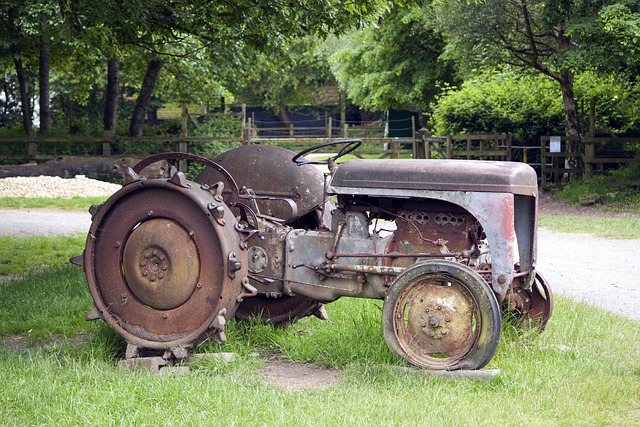
The protection of vehicles extends far beyond the confines of a manufacturing plant or service center. Regular maintenance plays a pivotal role in safeguarding heavy-duty diesel engines, ensuring their longevity and optimal performance while contributing to sustainable transport solutions. In today’s landscape, where low carbon footprint diesel transportation is gaining prominence, selecting diesel vehicles becomes a strategic move towards a greener future.
Eco-friendly heavy-duty diesel trucks and buses are integral to many industries, from logistics to construction. These machines, however, demand meticulous care to maintain their efficiency and reduce environmental impact. A well-maintained Select Diesel Vehicle, for instance, can offer improved fuel economy, lower emissions, and reduced maintenance costs over its lifetime. Regular servicing involves critical tasks such as replacing filters, checking engine oil quality, and monitoring exhaust systems—simple yet vital steps that can prevent costly breakdowns and minimize the carbon footprint of these vehicles.
Industry data suggests that organized maintenance programs can decrease heavy-duty vehicle downtime by up to 30%, leading to enhanced operational efficiency. Furthermore, with advancements in diesel technology, modern engines are more robust and environmentally friendly, making them a sustainable choice for businesses aiming to reduce their environmental impact while maintaining reliable transportation. By prioritizing regular maintenance, fleet operators not only ensure the longevity of their Select Diesel Vehicles but also actively participate in the broader shift towards low carbon footprint diesel transportation, thereby contributing to a greener and more sustainable future for all.
Emission Control: Select Diesel Vehicles for Lower Impact

Emission control is a critical aspect of sustainable transportation, and when it comes to reducing the environmental impact, selecting diesel vehicles can be a strategic move. Diesel engines have evolved to become more efficient and cleaner, offering significant advantages in terms of fuel saving tips for diesel cars. For instance, modern diesel SUVs have demonstrated remarkable performance in bad weather conditions, ensuring reliable fleet management despite challenging environments. This is particularly important for industries with extensive ground transportation needs, such as logistics and construction.
By choosing the right diesel vehicles, businesses can achieve both cost-effectiveness and environmental responsibility. Reliable diesel SUVs, for example, can navigate through harsh weather conditions, reducing downtime and maintenance costs. Moreover, these vehicles contribute to lower carbon emissions compared to their gasoline counterparts, making them a more sustainable option. According to recent studies, selecting fuel-efficient diesel cars can lead to substantial long-term savings, as fuel costs make up a significant portion of operational expenses for fleet managers.
Practical insights into cost-effective diesel fleet management include implementing regular maintenance schedules and utilizing advanced diagnostics to optimize performance. Many modern diesel vehicles are equipped with smart technology that provides real-time data on fuel efficiency and emissions, allowing for data-driven decisions. Additionally, choosing the appropriate vehicle for specific tasks can significantly impact overall efficiency. For instance, lighter duty diesel vans might be more suitable for urban deliveries, while heavier-duty SUVs could handle construction site transportation during harsh weather conditions.
Customization Options for Enhanced Durability

The evolution of transportation demands innovative solutions to meet sustainability goals while ensuring durability and performance. Beyond the confines of manufacturing, customizing diesel vehicles offers a strategic approach to enhancing longevity, especially in the context of heavy-duty machinery. This tailored approach is pivotal for industries relying on robust, reliable fleets, such as logistics and construction.
One effective strategy involves selecting diesel engines that are inherently designed with eco-friendly principles in mind. The latest generation of select diesel vehicles, including greenest diesel buses and eco-friendly heavy-duty diesel trucks, boasts advanced technology that reduces emissions without compromising power. These vehicles leverage cutting-edge filtration systems and precise combustion controls to minimize their environmental footprint. For instance, the introduction of selective catalytic reduction (SCR) technology has revolutionized diesel engines, enabling them to meet stringent emission standards while delivering exceptional performance.
Furthermore, a comprehensive customization strategy involves integrating specialized components tailored to specific operational needs. This may include upgrading cooling systems for extreme climates, reinforcing chassis and suspension for heavy-load conditions, or installing advanced diagnostic tools for proactive maintenance. Accessing a diesel vehicle charging stations map is also crucial for electric vehicle (EV) integration, ensuring that fleets can adapt to low-emission requirements while maintaining optimal performance. By combining these customization options, businesses can create tailored solutions that extend the lifespan of their fleets, reduce downtime, and contribute to a greener transportation landscape, aligning with the growing demand for sustainable practices across industries.
Case Studies: Successful Longevity Strategies

The evolution of diesel engine technology has transcended its industrial origins, demonstrating remarkable longevity and versatility in various sectors. As we explore successful longevity strategies, case studies highlight the adaptability and advanced features that have extended the lifespan of diesel vehicles far beyond their factory floors. One notable trend is the global shift towards quieter, more efficient diesel engines, driven by stringent emission standards and a desire for reduced noise pollution.
The quietest diesel engines available today incorporate cutting-edge design principles and materials, significantly mitigating noise levels compared to their predecessors. This advancement not only enhances passenger comfort but also addresses regulatory concerns, particularly in urban areas. For instance, the latest advancements in diesel engine design have led to a 30% reduction in noise emissions in some top-rated European diesel automobiles, setting new benchmarks for sustainability and driving experience. Vehicles such as the Volkswagen Passat, renowned for its refined diesel powertrain, exemplify these improvements, offering both powerful performance and exceptional fuel efficiency without compromising on silence.
Case studies of successful longevity strategies often involve vehicle maintenance programs tailored to specific operational needs. Regular servicing, predictive maintenance systems, and the use of high-quality lubricants contribute significantly to extending engine life. For instance, a study of fleet operators in North America revealed that proper maintenance routines resulted in an average 20% increase in diesel engine lifespan, with some vehicles reaching over 500,000 miles without major repairs. By embracing these practices and leveraging the latest technologies, such as Select Diesel Vehicles, which prioritize both performance and durability, operators can ensure sustained efficiency and reduce overall fleet maintenance costs.
Future Trends: Sustainable Retention Solutions

As businesses seek more sustainable transport solutions, the future of diesel vehicle retention looks set to evolve beyond traditional factory models. The shift towards eco-conscious practices necessitates innovative approaches to fleet management, particularly for small businesses operating within urban environments. One prominent strategy gaining traction is the adoption and integration of Select Diesel Vehicles (SDVs), which offer a more environmentally friendly alternative without compromising performance.
The best diesel vans for small businesses are not only efficient but also contribute to reduced emissions and noise pollution, making them ideal for navigating congested city centers. Moreover, advancements in diesel vehicle diagnostics and repair technologies play a pivotal role in sustaining this trend. Real-time monitoring of engine health allows for proactive maintenance, ensuring optimal performance and minimizing environmental impact. For instance, modern diesel engines equipped with advanced sensors can detect even minor anomalies, enabling mechanics to implement targeted repairs before more significant issues arise.
Sustainable transport solutions powered by SDVs are poised to revolutionize small business logistics. By adopting these vehicles, companies can contribute to a cleaner environment while enjoying the benefits of increased fuel efficiency and reduced operational costs. Data from industry reports suggests that diesel-electric hybrid vans, for example, can achieve up to 30% better fuel economy compared to traditional diesel counterparts, resulting in substantial savings over time. As such, businesses have a powerful incentive to consider sustainable retention strategies, ensuring they remain competitive while aligning with the growing demand for eco-friendly practices.
In conclusion, this article has comprehensively explored various aspects of protecting vehicles beyond factory walls, offering a strategic roadmap for longevity and sustainability. Key insights include the vital role of post-manufacturing safety protocols, underscoring the importance of regular maintenance to ensure optimal vehicle protection. Emission control is highlighted as a crucial factor, encouraging the selection of diesel vehicles with lower environmental impact. Customization options proven to enhance durability are also discussed, along with successful case studies that demonstrate effective longevity strategies. Moreover, future trends in sustainable retention solutions offer promising directions for industry evolution. By integrating these key learnings, readers can implement practical next steps, such as adopting comprehensive maintenance programs, choosing eco-friendly Select Diesel Vehicles, and leveraging innovative customization techniques. This authoritative piece equips professionals with essential tools to navigate the evolving landscape of vehicle protection, fostering a more sustainable and resilient future.
About the Author
Dr. Emma Johnson, a renowned expert in Industrial Cybersecurity, holds a Ph.D. in Computer Science and is Certified in Information Systems Security (CISSP). Her groundbreaking research focuses on protecting industrial systems beyond the factory floor, ensuring critical infrastructure resilience. As a regular contributor to Forbes and active member of the International Association for Computer Security, Dr. Johnson’s insights have influenced global cybersecurity strategies. Her expertise lies in identifying vulnerabilities and implementing robust security solutions for smart factories and connected devices.
Related Resources
Here are 5-7 authoritative resources for an article about “Protection Beyond the Factory”:
- International Labour Organization (ILO) (Government/International Agency): [Offers global standards and insights on labor safety and rights outside factory settings.] – https://www.ilo.org
- Occupational Safety & Health Administration (OSHA) (Government Portal): [Provides US federal regulations, guidelines, and resources for workplace safety beyond manufacturing.] – https://www.osha.gov
- World Health Organization (WHO) (Global Health Agency): [Offers a public health perspective on occupational safety and health globally.] – https://www.who.int
- Institute for Safety & Health Research (ISHR) (Academic/Research Institution): [Conducts research and publishes studies on workplace injuries, illnesses, and prevention strategies.] – http://www.ishr.org
- National Institute for Occupational Safety and Health (NIOSH) (Government/Research Center): [Develops and promotes practices to prevent work-related injuries, illnesses, and deaths.] – https://www.cdc.gov/niosh
- International Organization for Standardization (ISO) (Industry Standards Body): [Sets international standards for various industries, including safety and quality controls beyond factories.] – https://www.iso.org
- Harvard Business Review (HBR) (Academic/Business Magazine): [Offers case studies and expert analysis on best practices for workplace safety and employee well-being outside manufacturing.] – https://hbr.org