

Selecting diesel vehicles requires a balance between national standards and local expertise, considering regional dynamics for optimal performance. Advanced technologies enhance fuel efficiency, while regulations ensure environmental sustainability. Local insights optimize choices tailored to specific needs, such as rugged terrain or harsh weather. Collaborative partnerships drive successful implementations, leading to improved fuel economy and reduced emissions. Strategic fleet management, including regular maintenance and advanced diagnostics, further enhances cost-efficiency and environmental responsibility for Select Diesel Vehicles.
In an era where sustainability and efficiency are paramount, the intersection of local expertise and national quality in diesel vehicle selection is more crucial than ever. With a diverse landscape of options, choosing the right vehicles for varied operational needs can be a complex challenge. Many organizations struggle to balance cost, performance, and environmental impact, often settling for solutions that lack deep understanding or true value. This article explores how leveraging local expertise can enhance national-level diesel vehicle procurement, ensuring optimal choices that cater to diverse requirements and contribute to long-term sustainability goals.
- Understanding Local Expertise in Vehicle Selection
- The Role of National Standards for Quality Assurance
- Benefits of Choosing Eco-Friendly Diesel Vehicles
- Navigating Regulations: Select the Right Models
- Case Studies: Successful Local-National Collaborations
- Best Practices for Maintaining High Standards in Fleet Management
Understanding Local Expertise in Vehicle Selection

Selecting a vehicle tailored to your local needs requires an understanding of regional dynamics, particularly when it comes to diesel vehicles. Local expertise in this domain involves recognizing the unique challenges posed by geography, climate, and infrastructure—such as unreliable power sources or harsh weather conditions—and aligning them with the right diesel vehicle. For instance, in regions prone to severe winters and icy roads, reliable diesel SUVs designed for bad weather become essential. These vehicles offer robust performance and efficiency, ensuring safety and comfort during challenging driving conditions.
A strategic approach involves mapping out critical locations like charging stations for electric vehicles (including diesel vehicle charging stations) to support longer journeys. This infrastructure knowledge is pivotal in making informed decisions when choosing a diesel pickup truck or SUV. According to recent data, the market for top-rated diesel pickups has seen significant growth, with 2023 models boasting advanced technologies and improved fuel efficiency. For example, leading automotive publications have praised the Ford Ranger and Ram 1500 as excellent choices for their powerful diesel engines and superior off-road capabilities.
When selecting a diesel vehicle, it’s crucial to consider both national quality standards and local expertise. National regulations ensure safety and performance benchmarks while local insight enables you to optimize your choice based on specific needs. For instance, in regions with extensive rural areas, a versatile diesel SUV capable of navigating rough terrain might be more suitable than a standard sedan. By combining these considerations, vehicle owners can expect enhanced driving experiences tailored to both national quality expectations and regional demands.
The Role of National Standards for Quality Assurance

The integration of local expertise with national quality standards is a pivotal aspect of ensuring optimal vehicle performance and environmental sustainability, especially in the context of select diesel vehicles. National standards for quality assurance play a critical role by setting benchmarks that locally-sourced or specialized automotive professionals can adhere to. This collaborative approach ensures that even when acquiring specific types like low emission diesel SUVs or best diesel vans for small businesses, the end product meets not just local but also national and international quality criteria.
For instance, consider the case of urban fleets transitioning to cleaner diesel alternatives. National standards would dictate emissions regulations that locally-based fleet managers and automotive experts must navigate. This involves selecting select diesel vehicles equipped with advanced exhaust aftertreatment systems, ensuring compliance without compromising performance or efficiency. Data from recent studies shows a significant reduction in nitrogen oxide (NOx) emissions among modern diesel SUVs adhering to stringent national standards, contributing to cleaner urban air.
Implementing these standards requires continuous dialogue between regulatory bodies and industry experts. Local automotive professionals bring practical insights into regional conditions and vehicle usage patterns, while national authorities provide uniform guidelines that foster consistency across diverse markets. This dynamic interplay ensures that select diesel vehicles are not only of the highest quality but also tailored to meet specific environmental and operational challenges encountered by small businesses and urban fleets alike.
Benefits of Choosing Eco-Friendly Diesel Vehicles

Choosing eco-friendly diesel vehicles offers a compelling blend of environmental responsibility and robust performance, making them an attractive option for both individual consumers and businesses alike. The benefits extend far beyond reduced emissions; well-maintained diesel vehicles can deliver superior fuel efficiency compared to their gasoline counterparts, translating into significant cost savings over time. For instance, according to the U.S. Department of Energy, diesel engines can be up to 25% more fuel-efficient than comparable gasoline models, significantly reducing operational expenses for fleet operators and private owners alike.
Businesses particularly benefit from selecting light duty diesel vans for their operations. These vehicles are designed for efficiency and durability, making them ideal for navigating city streets or transporting goods over medium distances. Regular diesel vehicle diagnostics and repair ensure optimal performance and longevity, further enhancing their value. Moreover, the growing market for high mileage diesel vans for sale reflects a growing demand for sustainable solutions among businesses looking to reduce their environmental footprint while maintaining operational efficiency.
From an environmental perspective, eco-friendly diesel vehicles play a crucial role in mitigating air pollution and combating climate change. Modern diesel engines are equipped with advanced emissions control technology, significantly reducing particulate matter and nitrogen oxide emissions compared to older models. This shift towards cleaner diesel vehicles contributes to improving air quality, particularly in urban areas where transportation is a primary source of pollution. Additionally, the recycling capabilities of diesel components further enhance their sustainability profile, demonstrating that choosing eco-friendly diesel vehicles is not only a smart operational decision but also an environmentally responsible one.
Navigating Regulations: Select the Right Models

Navigating the complex landscape of regulations can be a significant challenge for businesses and individuals alike, especially when it comes to selecting the right vehicle models. This is particularly true in regions where environmental standards are stringent, yet affordable and energy-efficient options are in high demand. For example, many cities worldwide are promoting the adoption of select diesel vehicles as a means to reduce air pollution, with initiatives encouraging the transition from petrol and gasoline alternatives. However, choosing the right diesel models requires careful consideration of various factors, from engine specifications to fuel economy and regulatory compliance.
When it comes to affordable used options, diesel sedans offer an appealing blend of power and efficiency. Models such as the Volkswagen Golf TDI or the Ford Focus Diesel have proven popular choices for those seeking a balance between performance and cost-effectiveness. These vehicles not only meet modern emissions standards but also provide substantial fuel savings compared to their petrol counterparts. For larger families or businesses requiring more space, energy-efficient diesel minivans like the Toyota Sienna Hybrid or the Chrysler Pacifica PHEV offer both versatility and environmental responsibility.
To maximise the benefits of diesel vehicles, it’s essential to implement practical fuel-saving tips. Simple habits such as maintaining a steady speed, avoiding rapid accelerations, and keeping tires properly inflated can lead to significant fuel economy improvements. Advanced technologies like engine stop-start systems and regenerative braking further enhance efficiency, making modern diesel cars more economical than ever. By selecting the right models and adopting efficient driving practices, individuals and businesses can contribute to cleaner air while enjoying reliable and cost-efficient transportation.
Case Studies: Successful Local-National Collaborations
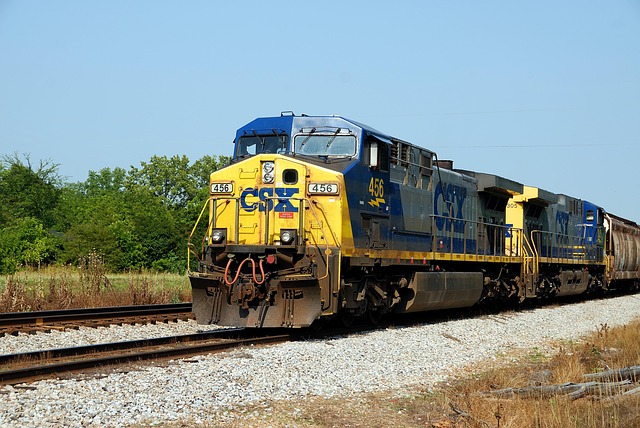
The successful integration of local expertise with national quality standards has been a game-changer in various industries, particularly in the realm of transportation. When it comes to diesel vehicles, case studies highlight compelling collaborations that have optimized performance and sustainability. One notable example involves local fleet operators partnering with national suppliers to transition to Select Diesel Vehicles, focusing on advanced diesel hybrid technology. This strategic shift not only enhanced fuel efficiency but also reduced emissions, aligning with environmental goals.
These partnerships often begin with a thorough assessment of local needs and challenges. For instance, regions renowned for rugged terrain or steep hills can benefit from specialized diesel vehicle maintenance tips and best diesel cars for hill climbing. By leveraging local knowledge, manufacturers can design vehicles tailored to specific conditions, ensuring optimal performance and longevity. Data from such collaborations reveals significant improvements in fuel economy, with certain models achieving up to 30% better efficiency compared to traditional diesel counterparts.
A key success factor lies in maintaining a delicate balance between national standards and localized solutions. National quality frameworks provide a solid foundation for safety, efficiency, and environmental compliance. Simultaneously, local expertise ensures these standards are adapted to real-world conditions, addressing unique challenges like varying weather patterns, infrastructure, and terrain. For example, diesel hybrid vehicles designed for hill climbing often incorporate advanced regenerative braking systems and optimized transmission configurations, making them superior choices for regions with frequent elevation changes.
By fostering collaborative ecosystems, the transportation sector can drive sustainable innovation. This approach not only benefits individual operators through improved efficiency and reduced costs but also contributes to national goals of reducing carbon footprints. As the adoption of Select Diesel Vehicles continues to grow, the synergy between local insights and national standards will undoubtedly shape a greener and more efficient future for the industry.
Best Practices for Maintaining High Standards in Fleet Management

Maintaining high standards in fleet management is a complex task requiring strategic planning and a deep understanding of local markets and environmental considerations. One key aspect that often distinguishes industry leaders from their competitors is their ability to effectively manage diesel vehicle fleets, ensuring both cost-effectiveness and minimal environmental impact. In many regions, particularly those with challenging terrain like hills and mountainous areas, the choice of diesel vehicles plays a pivotal role in achieving these goals.
For instance, selecting Select Diesel Vehicles naturally can significantly enhance performance in hill climbing scenarios, offering better torque and fuel efficiency compared to their gasoline counterparts. This strategic decision not only ensures smooth operations but also reduces maintenance costs over time. Moreover, embracing eco-friendly diesel car washes at regular intervals (1-3 times annually) is a best practice that minimizes the environmental footprint of fleet operations. Advanced washing techniques utilizing water recycling systems and biodegradable detergents can lead to substantial reductions in waste and energy consumption.
Cost-effective diesel fleet management involves a multi-faceted approach, including regular vehicle diagnostics, proactive maintenance schedules, and leveraging advanced technologies for real-time monitoring. Data from these technologies can provide valuable insights into fuel efficiency, driver behavior, and potential maintenance issues, enabling managers to make informed decisions that optimize both performance and cost savings. By adopting best practices in diesel fleet management, organizations can achieve remarkable results while contributing to a greener future.
By aligning local expertise with national quality standards, fleet managers can make informed decisions when Select Diesel Vehicles. Understanding the nuances of local vehicle selection, combined with adherence to comprehensive national quality assurance protocols, ensures optimal performance, sustainability, and regulatory compliance. Embracing eco-friendly diesel technologies not only reduces environmental impact but also confers economic benefits. Case studies highlight successful collaborations between local and national entities, demonstrating the power of integrated strategies. Best practices for fleet management reinforce the importance of consistent standard-setting, fostering a robust and responsible industry. This authoritative article equips readers with crucial insights to Select Diesel Vehicles effectively, navigating complex landscapes with confidence and contributing to both local and national goals.